Electrospun Membranes for Orthopaedic applications
Where Electrospinning Transforms Performance
Augmentation of mechanical bone-tendon repair
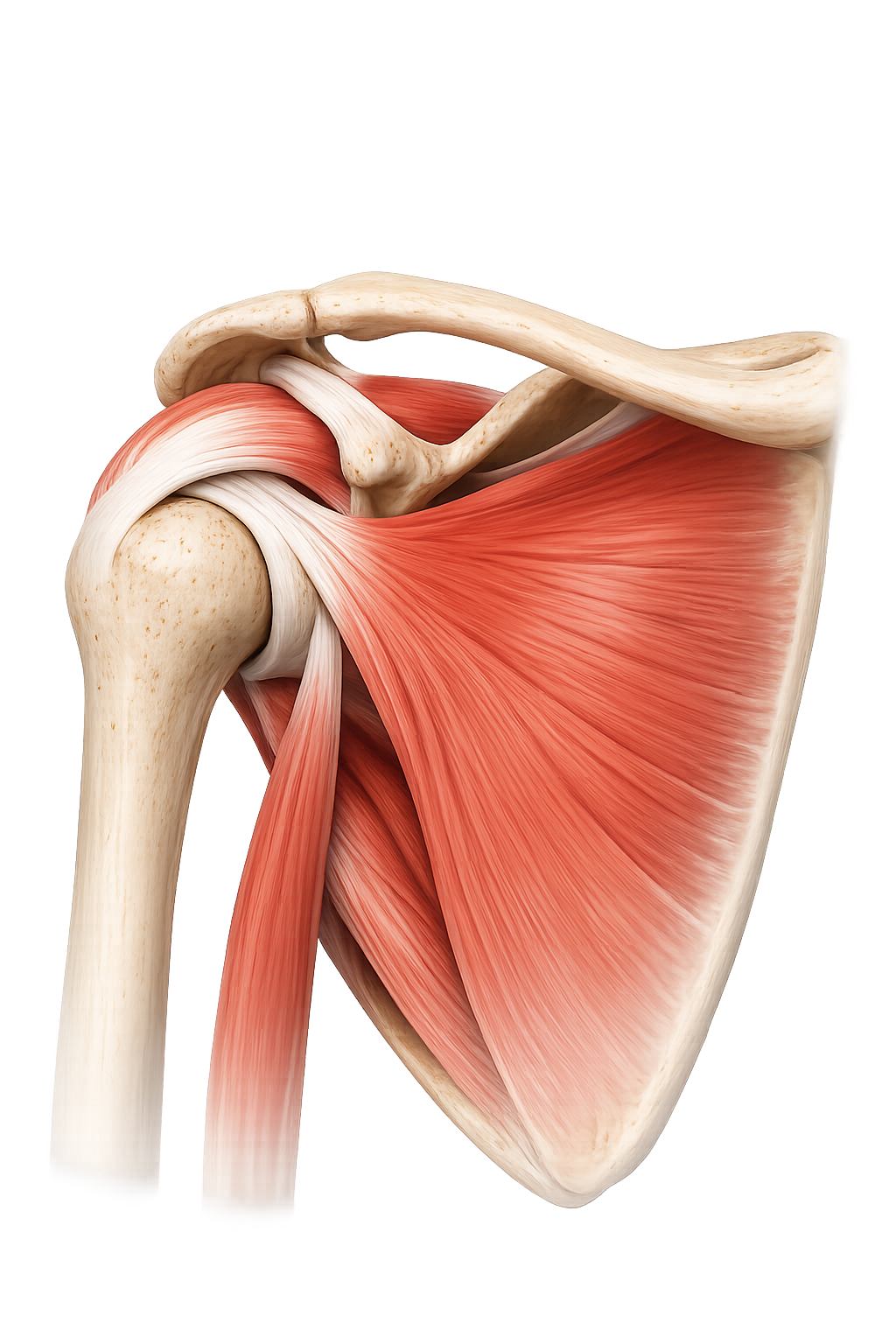
Suture anchors and screws that provide mechanical fixation are increasingly augmented to enhance bone-tendon repair in rotator cuff, ACL, Achilles tendon or gluteus medius. The AAS Clinical Practice Guidelines state strong evidence for bioinductive and bioconductive augmentation in rotator cuff repairs.
While biological grafts lead the market sector, there is increasing adoption of synthetic and biosynthetic alternatives that are more reproducible, affordable, and scalable.
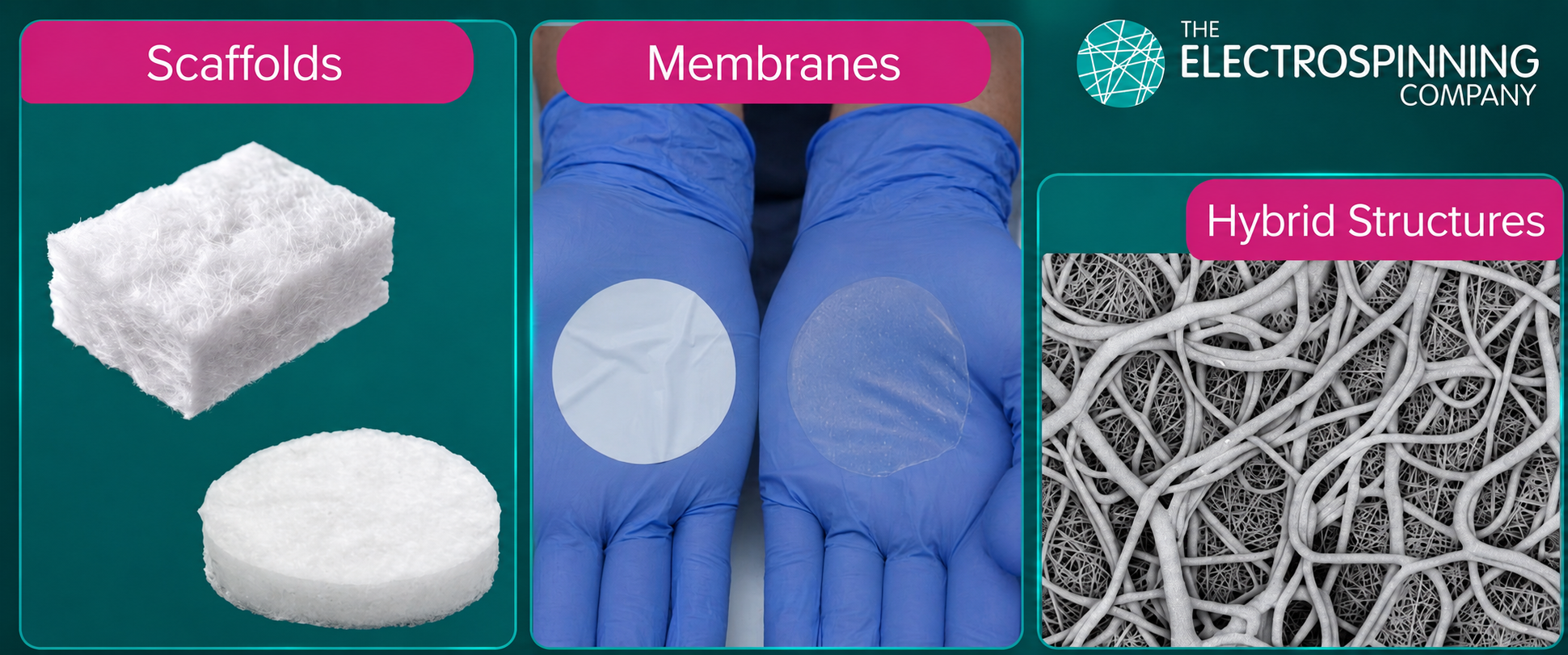
Mimetix® and Symatix® electrospun scaffolds are designed to mimic the body’s own extracellular matrix and augment passive orthopaedic devices:
- Recruit and guide a patient’s own cells to populate the device and support tissue regeneration.
- Foster microenvironments that stimulate new blood vessel growth and to lay down collagen fibres.
- Resorb over time leaving remodelled native tissue.
Guided Bone Regeneration
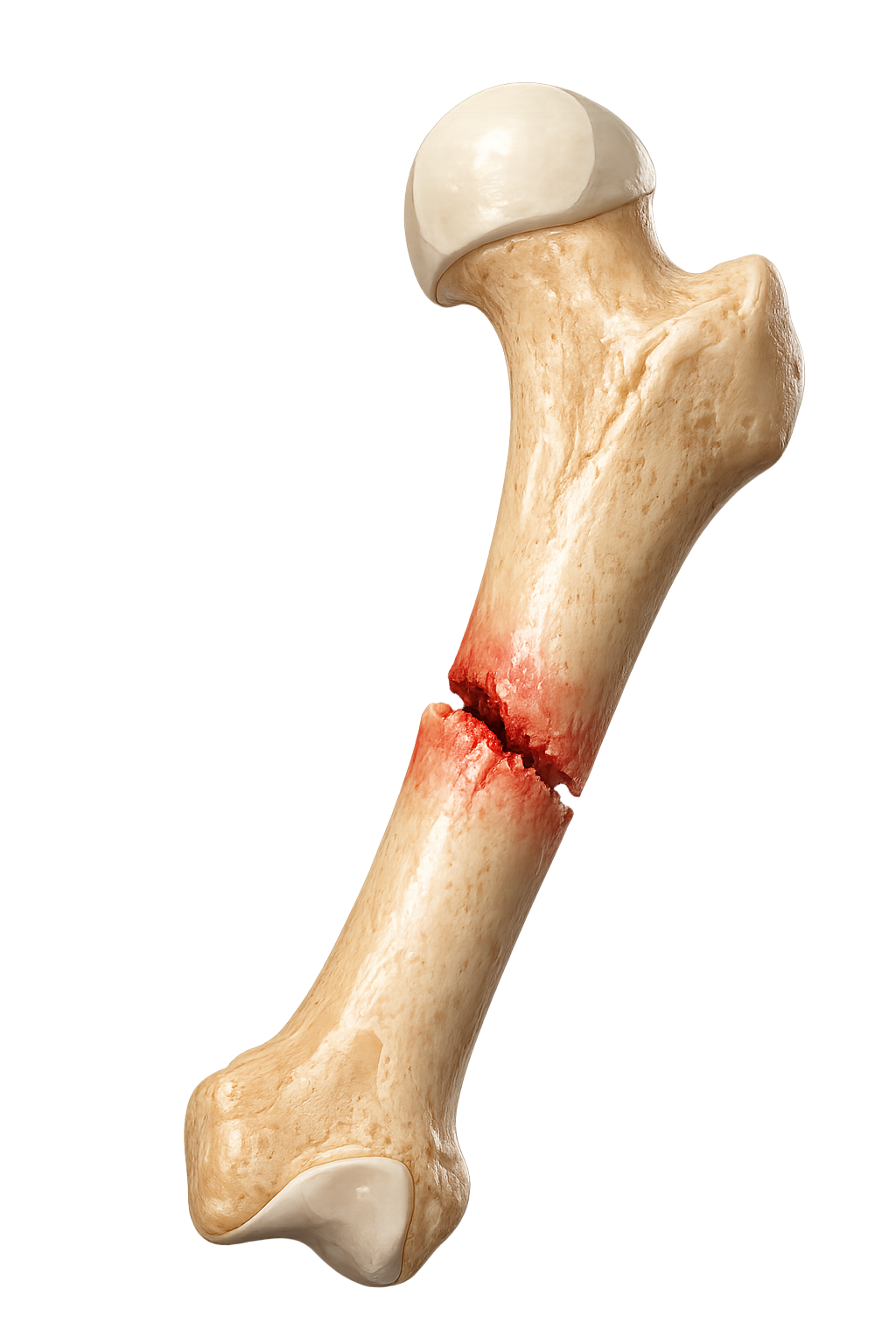
Barrier membranes that create a protected space to allow osteogenic cells to repopulate defects while preventing infiltration by faster-growing soft tissue, are used in trauma repair, spinal fusion, and the treatment of complex orthopaedic defects. Read more here.
Mimetic® and Symatix® electrospun membranes are composed of interconnected micro- and nanofibres, creating a highly porous structure that resembles native extracellular matrix and provides several key advantages over conventional solid films or biological grafts:
- Restrict cellular infiltration while maintaining open pathways for fluid exchange.
- High surface area for tissue interaction, protein adsorption and early cell attachment at the bone interface.
- Tuneable porosity and thickness allowing optimisation for different defect sizes and anatomical locations.
- Flexibility and conformability with excellent surgical handling and defect coverage.
Our Material technologies
We guide material selection based on your specific healing timeline, working with PCL, PLA, PLGA, TPU, collagen, hyaluronic acid, and chitosan.
Mimetix® scaffolds
Highly controlled, resorbable electrospun architectures optimized for soft tissue integration and scalable manufacturing.
Symatix® scaffolds
Hybrid scaffolds combining synthetic fibre architectures with natural polymers for enhanced fluid interaction and biological contact.
Testing of prototypes including microstructure, mechanical properties, adhesion, wetting and permeability.
Proof Beyond Feasibility
We don't just deliver research-stage concepts. The Electrospinning Company brings proven commercial and regulatory credibility to your project:
Proven Track Record:
10+ years of continuous medical device manufacturing experience.
Regulatory Pedigree:
Supplied components for multiple FDA 510(k)-cleared medical devices.
Deep Expertise:
Delivered more than 100 feasibility projects across wound healing, cardiovascular, orthopaedics, and soft tissue applications.
End-to-End Delivery:
Full support through clinical trial supply, regulatory documentation, development verification, and commercial process scale-up.
Choose the right material decision early in product development.
We can help orthopaedics teams assess whether an electrospun membrane, scaffold, hybrid structure or coating is the right fit before the material decision becomes embedded in the programme.
The strongest next step is to discuss the application in the context of your product architecture, materials, healing requirements, evidence needs and development stage — then define what must be proven before validation, scale-up and regulatory exposure increase.