Tissue Regeneration | Case Study
Services / Case Studies / Tissue Regeneration
Tissue Regeneration | Case Study
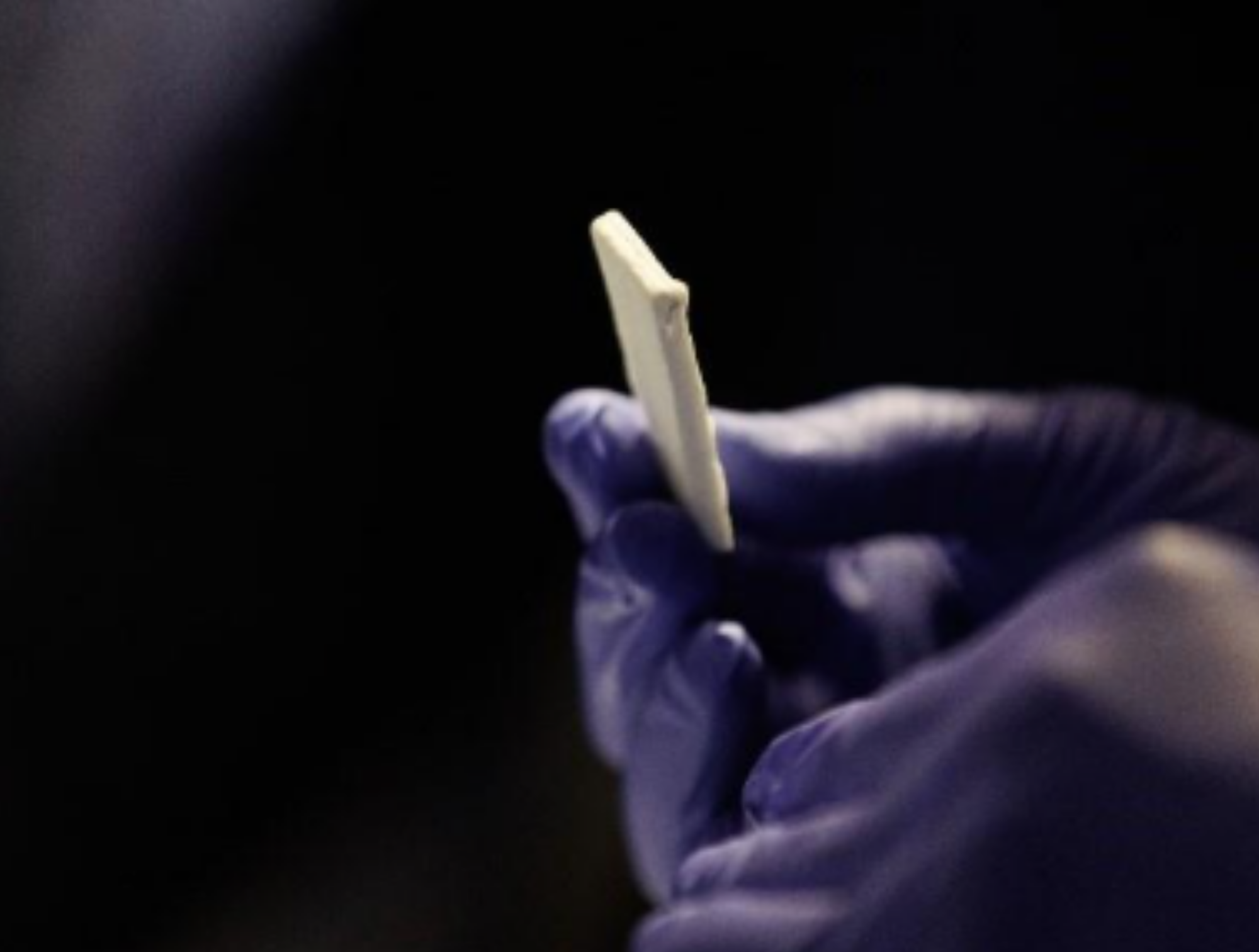
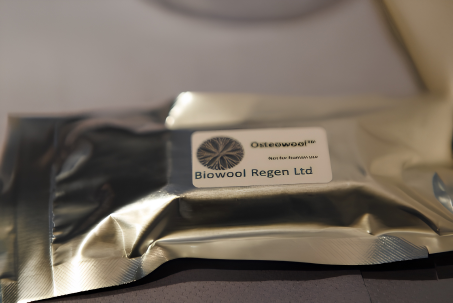
The Biowool programme, developed at the University of Birmingham by Dr Gowsh Poologasundarampilla with funding from the Medical Research Council is progressing towards clinical translation under Biowool Regen Ltd. (https://biowoolregen.com/), focuses on a highly porous electrospun bioactive glass construct for dental and craniofacial applications. The technology is designed to support bone regeneration and space maintenance in procedures such as sinus lift, ridge augmentation and tooth extraction sockets.
The Electrospinning Company Ltd. supported the programme by providing controlled manufacturing of electrospun materials to enable progression towards clinical readiness.
Supporting the Translation of Electrospun Bioactive Glasses for Tissue Regeneration
Innovative biomaterials often demonstrate strong performance at laboratory scale, but their clinical and commercial success depends on the ability to manufacture them consistently under controlled conditions.
This project demonstrates how early access to specialist electrospinning manufacturing capability can support manufacturing-led translation, helping research programmes move more efficiently towards regulated medical applications.
As electrospun technologies continue to emerge across dental and regenerative medicine markets, integrating manufacturing strategy early in development is becoming a key factor in successful translation.
If you are developing an electrospun medical technology and need support moving from feasibility to controlled manufacturing, learn more about:
- Feasibility and process development services
- Our development and scale-up process
- Cleanroom electrospinning capabilities
- Or contact our team to discuss your project.
Challenges
Translating advanced electrospun technologies from laboratory research into clinically viable products presents several challenges. In this case, the material system involved inorganic bioactive glass fibres, which require precise control of processing conditions to achieve consistent fibre morphology and structural integrity. In addition, progression towards regulated medical applications requires:
- Manufacturing within controlled, medical-grade environments
- Batch-to-batch reproducibility of fibre architecture
- Process stability and scale-readiness
- Handling approaches compatible with sterilisation and downstream processing
Moving from research-scale fabrication to robust, controlled production is therefore a critical step in enabling clinical translation
Solutions
This work enabled the programme to progress beyond laboratory feasibility towards the next stage of development, supporting readiness for clinical translation and future scale-up activities.
The availability of controlled, reproducible electrospun materials helped de-risk the transition from academic innovation to a more commercially and regulatorily aligned development pathway